
 0403 943 573
- October 06th, 2026
- Categories: Uncategorized
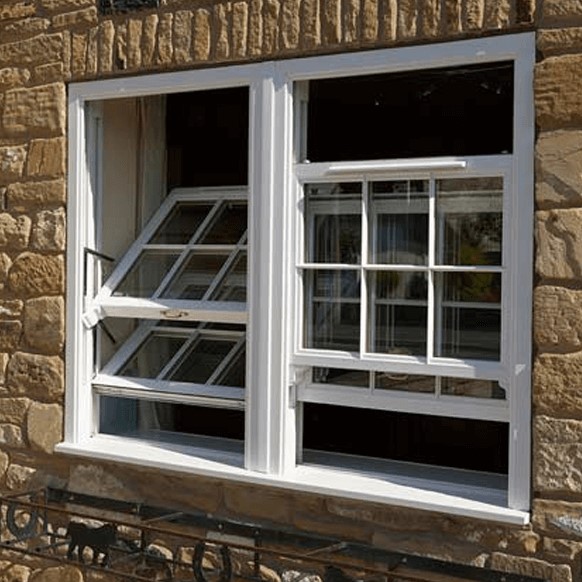
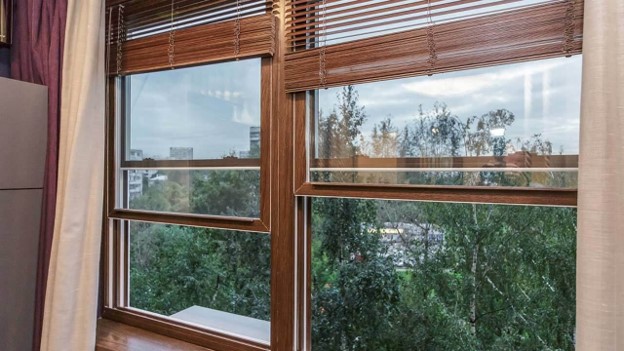
Does your property have double hung windows? If so, there’s a strong chance they rely on spiral balances. In case you’re unfamiliar, the spiral balance is a spring-like mechanism used in both double-hung and sliding sash windows to counteract the weight of the window glass.
When a spiral balance is working correctly, its internal tensioned spring perfectly counterbalances the weight of the sash. This is what allows the window to open smoothly and remain securely in place at any height.
When it fails, it’s usually because the spring has lost tension or broken, and it can no longer support that weight. As a result, the window will feel excessively heavy to lift and will immediately slip downward or slam shut as soon as you let go.
A Brief History of Sash Windows in Sydney
Double hung sash windows actually date back to the 1600s, and rose to prominence during the Georgian era in Britain (1714-1830). At this time, these windows became a true symbol of status and wealth within the aristocracy.
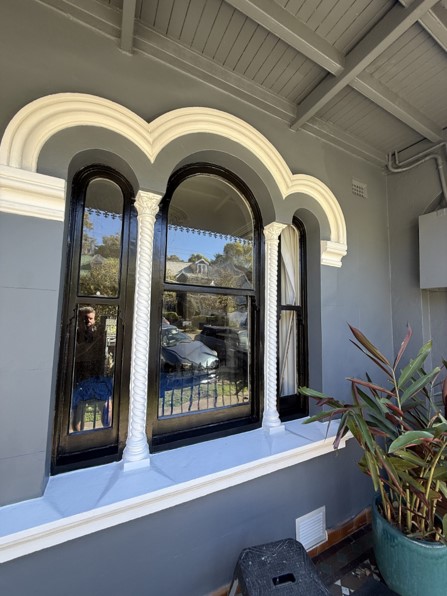
Here in Sydney, the Victorian era (1837-1901) was a time where sash windows began to be a defining feature of buildings across Sydney. From Balmain to Bondi, Chatswood, Hunters Hill, Mosman, and many others, these windows continue to provide a glimpse into our city’s unique architectural landscape.
Thousands of properties across Sydney still have double hung sash windows today. Despite their age, they still have a lot of life (particularly when restored and well maintained).
The Science Behind Spiral Balances
While traditional windows use bulky lead weights, modern designs save space by utilising advanced engineering. The spiral balance is a compact mechanical marvel that hides entirely within the narrow window frame.
The Outer Metal Casing
Every spiral balance begins with a slender metal tube that runs vertically along the inner edge of the window frame. This outer casing acts as a robust protective shell for the complex internal components required to lift heavy glass.
Manufacturers typically construct these structural tubes from extruded aluminium or rigid PVC to resist ambient moisture. This durable housing ensures the delicate moving parts inside remain completely shielded from environmental wear and daily friction.
The Internal Torsion Spring
Concealed within that protective outer casing lies a tightly coiled steel torsion spring. This tensioned spring serves as the primary mechanical engine for the entire window system, generating the precise lifting force required to support the heavy timber frame.
When you pull the window downward, the spring tightly coils to store immense kinetic energy. Pushing the window upward releases that stored tension, providing a controlled mechanical assist that makes lifting heavy glass panels feel incredibly effortless.
The Twisted Spiral Rod
Protruding from the bottom of the metal tube is a specialised metal rod featuring a distinctive twisted thread. This twisted design resembles a long metal corkscrew and engages directly with the internal torsion spring.
As the window moves vertically up and down its track, this twisted rod spins rapidly. This rapid spinning motion translates the linear vertical movement of the window into the rotational force needed to tighten or loosen the internal spring.
The Sash Attachment Bracket
The base of the twisted metal rod connects firmly to the bottom corner of the movable window sash using a dedicated metal bracket. Installers secure this vital attachment point directly into the solid timber frame using robust steel screws.
This physical hardware connection ensures the hidden spiral balance moves in perfect synchronisation with the window panel itself. If this specific bracket alignment shifts slightly over time, the entire lifting mechanism will fail to operate smoothly.
Achieving Mechanical Equilibrium
For the window to function correctly, the tension of the internal spring must perfectly match the specific weight of the glass and timber. We adjust this upward tension manually by winding the spiral rod a precise number of turns.
When the calibration is entirely accurate, the system achieves perfect mechanical equilibrium. The upward pulling force of the spring completely cancels out the downward gravitational pull, allowing your window to hover securely at any vertical position.
Common Issues and Why They Occur
Even the most meticulously engineered metal components experience structural fatigue over decades of continuous use. When your window suddenly refuses to stay open, one of several specific mechanical failures has likely occurred within the internal casing.
Gradual Loss of Tension
The most frequent issue homeowners encounter is a gradual loss of spring tension. Metal springs naturally lose their structural elasticity after enduring thousands of repeated stretching and compressing cycles over many years of regular operation.
When the spring weakens, it no longer generates enough upward force to counteract the weight of the heavy timber sash. You will notice the window feeling significantly heavier to lift, and it will slowly slide downward after you let go.
Snapped Internal Springs
Sometimes the internal torsion spring completely exceeds its maximum structural limits and snaps entirely in half. This sudden mechanical failure instantly destroys all upward tension holding the heavy wooden sash securely in its elevated vertical position.
When a spring breaks completely, the window will abruptly drop like a heavy stone and slam shut against the sill. This specific failure requires a full replacement of the metal tube, as broken internal springs cannot be repaired or spliced.
Dirt and Debris Accumulation
Dust and environmental debris can easily bypass the protective outer casing and infiltrate the internal mechanisms. Once inside the narrow tube, this gritty dirt coats the twisted metal rod and the tightly coiled internal spring.
This unwanted debris creates severe internal friction that restricts the smooth spinning motion of the spiral rod. Consequently, the window will feel incredibly stiff and may produce a loud grinding noise whenever you attempt to open or close it.
Corroded or Rusted Components
Windows constantly face exposure to fluctuating temperatures, heavy rain, and ambient atmospheric moisture. If external water seeps into the hollow wall cavity, the internal steel springs and twisted metal rods will inevitably begin to rust.
Rust directly compromises the structural integrity of the metal and prevents the internal parts from moving fluidly. Once advanced corrosion sets in, applying liquid lubricants will not reverse the deterioration, making a complete hardware replacement the only permanent viable solution.
Disconnected Hardware Brackets
The metal bracket securing the spiral rod to the window frame bears a tremendous amount of daily mechanical stress. Over time, the constant physical impact of opening and closing the window can loosen the mounting screws.
If those screws pull completely out of the timber frame, the balance detaches entirely from the movable sash. The window immediately loses all suspension support, causing it to drop rapidly and become completely immovable until we reattach the hardware.
A Guide to Sash Window Repair Process
Now that we’ve covered how they work and what can go wrong, it’s time to take a look at the typical process for sash window repairs.
At the Sash Window Doctor, we offer a service that includes several key steps. First, we perform a thorough assessment to identify the specific issues affecting your sash windows. This includes checking for broken cords, malfunctioning spirals and general wear and tear.
Next, we carefully dismantle the sash window to access and repair or replace damaged components. This process might involve rebalancing the window, replacing sash cords or adjusting spiral balances. Each step is performed precisely to ensure the window operates smoothly and easily when opening or closing it.
Finally, we reassemble the window, making sure that all components are correctly aligned and secured. We’ll then conduct a final inspection to verify that the sash window is fully operational and meets our high standards of craftsmanship.
The Sash Window Doctor Difference
With an emphasis on cleanliness and professional standards,our goal is to have your sash window and spiral balances working as good as new.
By hiring us, you receive:
- Over three decades of experience
- Clean, tidy and professional services
- Punctual and reliable with minimal disruption
- 10-year warranty Sydney wide
So, if you need a spiral balance replacement, a sash cord replacement, or heritage window repairs, we’re more than up to the task. Contact us online or over the phone and we’ll get back to you as soon as possible!