

 0403 943 573
- September 10th, 2026
- Categories: Uncategorized
Though we might not think about them often, windows are the heart of a home. They fill our rooms with natural light, they add to our property’s architectural profile, and they allow us to see the great outdoors.
One thing many of us don’t consider, however, is the window hardware itself. If you own an older property in Australia, there’s a good chance your windows either use sash cords or spiral balances; but how do you tell which one is which? That’s exactly what we’re going to answer today.
Keep reading to learn more!
Sash Cords
When we look back at the classic, heritage homes scattered across Sydney, Melbourne, and the rest of Australia, sash cords are the traditional lifeblood of their beautiful timber windows. Simply put, they rely on a wonderfully simple, gravity-fed mechanism that has stood the test of time for centuries:
The Mechanism: Heavy-duty ropes, typically made from tightly woven cotton or wax-coated materials, connect the moving part of your window (the sash) to a counterweight hidden deep inside the frame.
The Counterbalance: Made of solid lead or cast iron, these hidden weights act as a perfect counterbalance. As you lift the window to let in a gentle afternoon breeze, the weights glide smoothly down inside the pocket, holding the window exactly where you want it.
The Drawbacks: Just like any organic material, these woven cords endure a massive amount of friction and tension over the decades. They can naturally fray, snap, or become painted over by previous owners, leaving your beautiful heritage windows jammed tight or slamming shut unexpectedly.
Spiral Balances
If sash cords represent the historical charm of 19th and early 20th-century architecture, spiral balances represent the modern leap forward in window technology that became incredibly popular from the mid-20th century onwards.
The Mechanism: Instead of relying on bulky lead weights and thick ropes, spiral balances use a highly efficient, spring-loaded system contained within a sleek metal or plastic tube that sits discreetly inside the window track.
The Counterbalance: Inside the casing, a twisted, spiral-shaped rod interacts with a tensioned spring. When you raise or lower your window, this tension mechanism does the heavy lifting, providing the necessary friction and resistance to keep the window open at your desired height.
The Design: Because they don’t require large, hollow pockets in the timber frame to house heavy lead weights, spiral balances allowed builders to design much slimmer window profiles and easily adapt to newer materials like aluminium.
The Drawbacks: While they are a brilliant modern convenience, the internal springs are under constant stress. They can eventually lose their tension, succumb to rust, or snap, which suddenly makes opening your window feel like a rigorous gym workout.
How to Spot the Difference
So, now that we know exactly what they do, how can you figure out what mechanism is hiding inside your own window frames? It might seem like a job for a seasoned detective, but you can usually figure it out with just a quick visual and physical inspection.
Here are five simple ways to spot the difference between the two systems:
Look at the Window Channels
The absolute easiest and most straightforward giveaway is to simply open your window and look closely at the vertical tracks on either side.
Do you see a thick, woven piece of rope disappearing into a hole near the top corner of the frame? If you do, you are undoubtedly looking at a traditional sash cord system. If, instead, you see a long, slender metal or plastic tube running vertically along the inside channel of the frame, your home relies on a spiral balance mechanism.
Check for Pulleys
Traditional sash cord windows require a very specific piece of visible hardware to function correctly: the pulley wheel. Look at the upper left and right corners of the window frame. If there is a small wheel embedded in the wood, usually a brass or steel, where the rope smoothly rolls over, you have a classic weight and cord system.
Spiral balances do not use pulleys at all; they attach directly to the bottom of the window sash and the frame itself, completely eliminating the need for a rolling wheel at the top.
Examine the Frame Width
Because sash cords require a large, hollow cavity (or “pocket”) inside the wall to give the heavy lead weights room to travel up and down, the timber frames themselves are generally quite wide and substantial. If your window frames look unusually thick and robust, there’s a very good chance they were built to accommodate a classic weight system.
Spiral balances, on the other hand, are entirely self-contained. This means they are often found in much narrower timber frames or sleek, modern aluminium double-hung windows.
Listen to the Sound
Believe it or not, your ears can tell you a lot about the hardware running your windows! When you open a well-functioning sash cord window, you can often hear a faint, distinct “clunk” or hollow sliding noise as the heavy lead weight moves within the wooden pocket inside the wall.
When you open a window that uses a spiral balance system, the sound is completely different. You are much more likely to hear a subtle, metallic “zing” or springy resistance sound as the tensioned coil expands and contracts inside its metal casing.
Feel the Resistance
As you lift the window, pay close attention to how the resistance feels in your hands. A traditional sash cord system provides an incredibly smooth, almost effortless glide when it is perfectly balanced, as gravity and the heavy weights are doing almost all of the heavy lifting.
A spiral balance system, while still easy to use, will often feel a bit more tension-driven. You can almost physically feel the mechanical spring pulling back against your movement, especially if the tension has started to wear out or needs professional adjusting over time.
Can Sash Cords and Spiral Balances be Restored?
When a window suddenly slams shut, refuses to open, or becomes painfully difficult to lift, many homeowners immediately panic and assume the entire window frame needs to be ripped out, thrown away, and completely replaced. Thankfully, that is very rarely the case! The short answer is yes, both sash cords and spiral balances can be fully restored, repaired, and brought back to life.
In fact, repairing the existing hardware is almost always the most cost-effective, environmentally friendly, and structurally sound choice you can make for your home.
These windows were built to be functional, breathing elements of a room, not just ornamental additions stuck to your property’s facade. With the right care, an appreciation for heritage tradition, and a professional touch, even the most stubborn, painted-shut, or broken window can be successfully returned to its former glory.
At The Sash Window Doctor, with decades of dedicated experience across Sydney, our ultimate goal is to have your sash window working exactly the way it did when it was first built, preserving both its historical value and its timeless elegance.
Restoration Options
Let’s explore the specific restoration services that can breathe fresh life into your classic home.
Sash Cord and Spiral Balance Replacement
Sometimes, a component has simply reached the absolute end of its usable life. If a sash cord has completely snapped and retreated into the wall cavity, or if a spiral balance has rusted out and lost all of its internal tension, a full replacement of the hardware is the safest and most reliable path forward.
This intricate process involves carefully dismantling the window sashes, removing the broken components, and installing brand-new, high-quality materials that will last for decades. For heritage homes, it is incredibly important that replacement parts meet both the functional and aesthetic standards of the era. The goal is to ensure the vintage look of your property is never ruined by stylistically clashing modern components, giving you a smooth, effortless glide every time you open your window.
Sash Window Conversions
If you have an older home where the original hardware is no longer serving your daily needs, or if previous, well-meaning owners have tampered with the frames, a sash window conversion might be the perfect solution. Sometimes, traditional cord and weight systems have been removed entirely, or the internal timber pockets have been permanently blocked off or damaged beyond repair.
In these specific instances, converting the old, heavy timber window to a hidden, high-quality spiral balance system allows you to retain the original, beautiful timber sashes while upgrading the internal mechanics. It is a brilliant way to marry historical, classical charm with reliable, modern functionality, giving you the best of both worlds without sacrificing the unique architectural profile of your house.
Sash Cord Rebalancing
Have you ever tried to open a window, only to find it slowly creeping back down on its own? Or perhaps you lift it, and it feels incredibly heavy, as if you are lifting a boulder? This is a classic, frustrating symptom of an unbalanced window. In a sash cord system, the lead or cast iron weights hiding inside the frame must perfectly match the exact weight of the glazed window sash itself.
If the glass has been replaced over the years with thicker, heavier modern glazing, the old weights will no longer be heavy enough to hold the window up. Rebalancing involves opening up the side pockets, properly weighing the window sash, and meticulously adding or adjusting the counterweights so that the two sides are in perfect harmony. Once properly rebalanced, your window will hover effortlessly at whatever height you leave it.
Sash Cords Restrung
Over decades of daily use, traditional cotton sash cords are subjected to the harsh Australian sun, moisture, and endless friction from rolling back and forth over the metal pulleys. Eventually, they begin to fray, stretch, and inevitably break. Having your sash cords restrung is one of the most common and truly vital maintenance tasks for older heritage properties.
This specialised service requires carefully removing the delicate window stop beads and the sashes themselves to gain safe access to the hidden weight pockets. The old, degraded ropes are removed, and new, incredibly durable cords are threaded over the pulleys and tied securely to the weights. A proper stringing job ensures that your windows will glide silently and smoothly, completely eliminating the frustration of a jammed frame and protecting your fingers from a sudden, heavy drop.
Timber And Aluminium Spiral Spring Replacement
Spiral balances aren’t just limited to one type of material; you will find them operating in both timber and aluminium double-hung windows all across Sydney. While they are a fantastic, space-saving innovation, the internal coiled springs are constantly under extreme tension. Over time, this constant mechanical stress, combined with the inevitable buildup of dust, dirt, and a lack of proper lubrication, can cause the springs to warp, jam, or snap completely inside their tubes.
Replacing a spiral spring involves expertly unscrewing the balance from the window frame, safely releasing the built-up tension, and installing a correctly sized and tension-rated replacement tube. Whether your home features the classic warmth of timber or the sleek, lightweight profile of aluminium, professional spring replacement will instantly restore the effortless, fluid movement you expect from your windows.
Double Hung Window Repairs
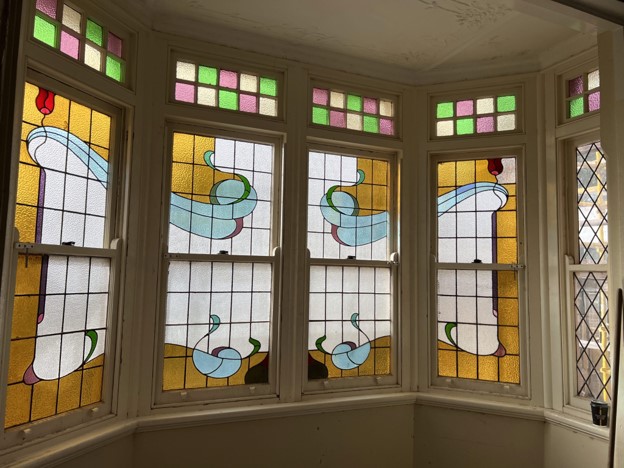
Double hung windows are an absolute staple of Australian architectural history, offering fantastic ventilation by allowing both the top and bottom sashes to move independently. You can lower the top to let warm, rising air escape, while raising the bottom to let cool, fresh breezes flow in. However, because both sashes are designed to move, there are twice as many cords, balances, pulleys, and tracks that can eventually fail.
Comprehensive double hung window repairs involve systematically addressing every single moving part of the window system. This might mean delicately unsticking a top sash that has been painted shut for twenty years, realigning warped timber tracks, replacing drafty weather seals, or fixing the interlocking meeting rails where the two sashes lock together. It takes a keen eye for fine details and a true passion for the craft, but the result is a beautifully restored, draft-free window that functions flawlessly.
The Sash Window Doctor Difference
From sash cords to spiral balances, we’re ready to restore your windows and get them back to as good as new. Our service is built on:
- Over 30 years experience
- Emphasis on cleanliness and professional standards
- Minimal disruption, reliability, and punctuality.
- 10-Year warranty Sydney-wWide
We operate across the city of Sydney, and take pride in offering a level of customer service that’s second to none! Contact us now to arrange an inspection.